How to select the right protective gloves
It is very important to wear the right gloves for each specific task, since no one glove protects against all hazards. Selection of the most appropriate protective glove must be based on an assessment of your workplace hazards.

- Cut Resistant Gloves (aka work gloves)

The American National Standards Institute (ANSI) has designated nine levels of cut resistant gloves as follows
A1: General purpose, warehousing, small parts assembly
A2: General purpose, plastics injection and moldings, pulp, and paper
A3: Raw material handling, general manufacturing, construction
A4: HVAC, aerospace, food preparation
A5: Glass or metal sheet handling, automotive assembly, HVAC
A6: Metal fabrication, glass manufacturing, changing blades
A7: Meat Preparation/processing, glass manufacturing, metal stamping
A8: Metal stamping, recycling, heavy assembly
A9: Sharp metal stamping, recycle sorting, metal fabrication
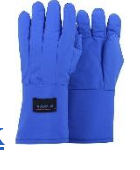
- Heat Resistant Gloves

Heat-resistant gloves are designed to protect against high temperatures, sparks, and molten metal, utilizing materials like Kevlar, leather, silicone, and aluminized fabrics. Common types include welding (thick leather/Kevlar), foundry (aluminized), industrial oven (Nomex), and kitchen (silicone/terrycloth) gloves, catering to specific heat levels and dexterity needs.
Key Types of Heat-Resistant Gloves:
- Leather/Welding Gloves:
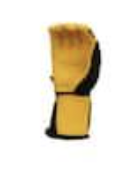
Made from thick cowhide or goatskin, these provide durability, cut resistance, and superior protection against sparks and molten metal splashes.
- Kevlar/Aramid Gloves:
Offer excellent heat resistance up to 425°C, as well as high cut and abrasion resistance. They are commonly used in industrial manufacturing and handling
- Aluminized/Reflective Gloves:
Feature a coating that reflects radiant heat, making them ideal for high-temperature settings like furnaces and glassblowing.
- Silicone and Neoprene Gloves:
Ideal for steam, hot liquids, and food processing. They provide excellent flexibility and are water-resistant, making them suitable for temperatures up to roughly 260°
- Terrycloth/Cotton Gloves:
A cost-effective choice for lower-heat applications (below 230°C). The looped knit provides air pockets for insulation.
- Firefighter/Nomex Gloves:
Specifically engineered for high heat, thermal, and flame protection.
For all gloves, you can also contact your Division Safety Coordinator, EHS Division Liaison or Health and Safety Rep for assistance in choosing the right glove(s) for your work – or contact the PPE Team at ppe@lbl.gov for more help with gloves.
Once the appropriate glove has been identified, it can be purchased through eBuy (or other vendor, subject to review and approval by the PPE SME)

