You don’t need a medical degree to save a life. You just need to ACT.
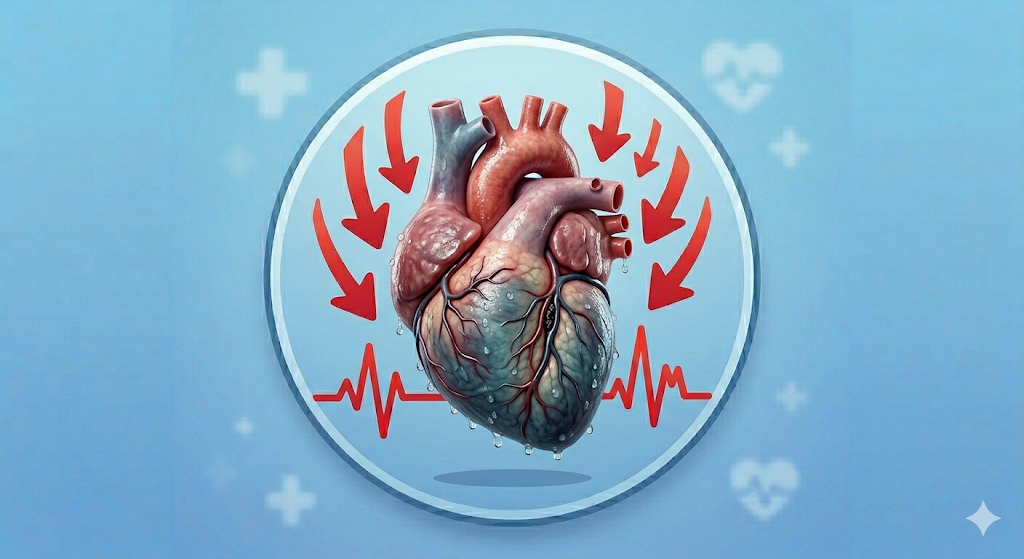
“CPR” stands for “cardiopulmonary resuscitation” and describes the process of externally pushing inward on the front of the chest and periodically giving breaths through the mouth to keep blood and oxygen circulating in someone with a cardiac arrest. An automated external defibrillator (AED) is a device that can be quickly connected to a patient with patches on the chest. It does not pump blood, but is able to analyze a victim’s heart rhythm and provide a shock to stabilize the heart rhythm in cases where that is needed. There is formal training in CPR and AED use available through the American Heart Association, American Red Cross and other organizations. Even if someone is not trained, knowing how to do “hands-only CPR” has been shown to save lives, as can basic familiarity with an AED. All you need to do is turn it on and it will guide you with voice prompts, with regards to what to do, even cycles of CPR. If you are worried about liability for helping, it’s good to know that Good Samaritan Laws exist in every state to protect bystanders who act in good faith to save a life.
Sudden cardiac arrest (SCA) is a leading cause of death in the US and around the world. It occurs when the heart’s electrical system malfunctions, causing it to unexpectedly stop beating normally. Though it can occur as part of a heart attack, unlike a heart attack where blood flow is blocked but the heart more often keeps beating, SCA is an “electrical” problem that acts like a power outage. Without immediate intervention, the results are fatal within minutes. Also, unlike a heart attack, where treatment requires the resources of a hospital, treatment for SCA can start immediately, by anyone willing to help. This 3 minute video explains SCA and shows how CPR helps.
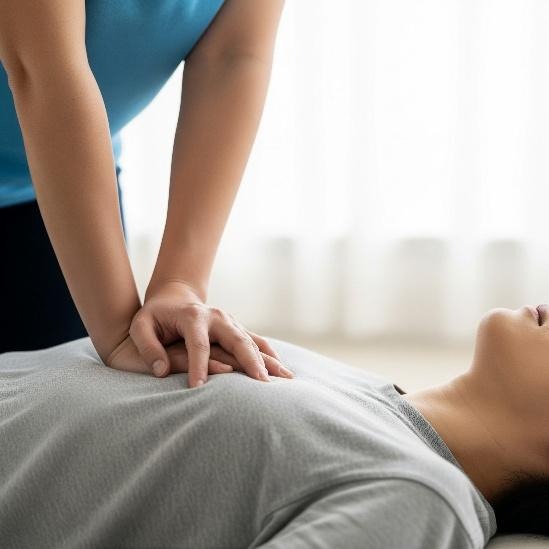
The Simple Steps of Hands-Only CPR
If you see a teen or adult suddenly collapse and remain unconscious, follow these steps immediately:
- Make sure the scene is safe.
- First quickly call 911 and then begin compressions.
- Do continuous compressions: Push hard and fast in the center of the chest without interruption.
- Rate and Depth: Push at least 2 inches deep, and aim for 100-120 compressions per minute – think of the beat of the song “Staying Alive”.
- Change rescuers every 2 minutes, if more than one person is available to help. Change quickly – take no more than 5-10 seconds to make the change.
- Don’t stop until help or an AED arrives or the victim revives – begins awakening, moving and breathing or resisting your efforts.
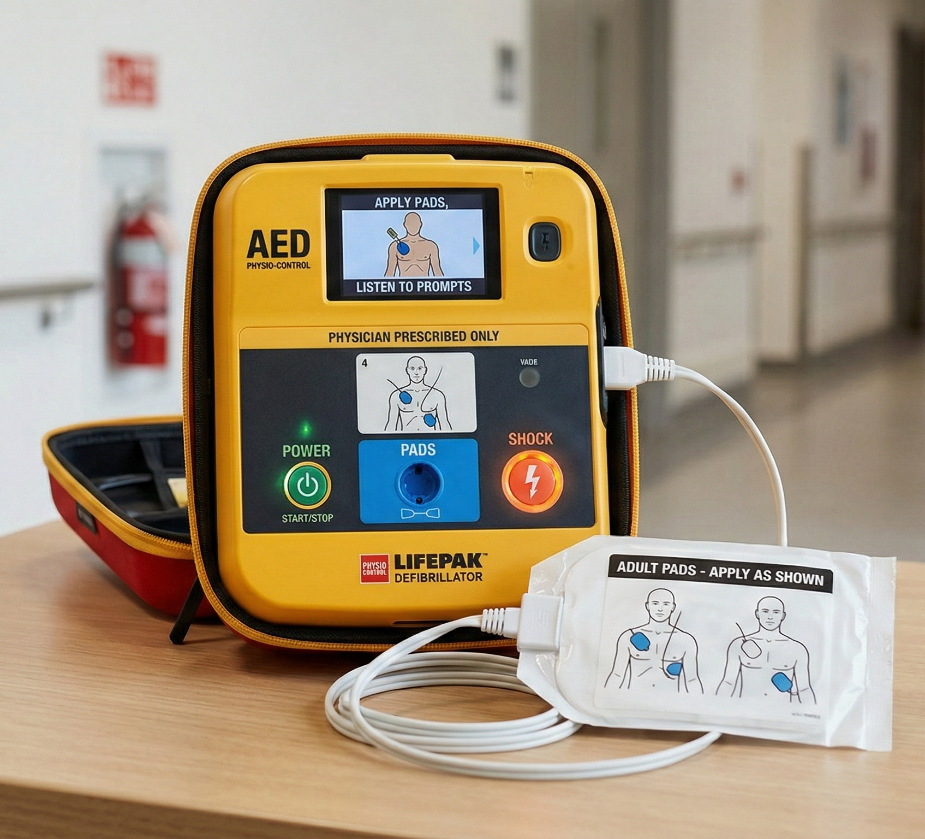
How to Use an AED
Automated External Defibrillators (AEDs) are designed for laypeople. They use voice prompts to walk you through every step.
- Turn it on: Open the lid or press the “On” button.
- Apply Pads: Peel the pads and stick them to the person’s bare chest exactly as shown in the pictures on the pads.
- Plug in Connector: (If necessary) Plug the pad cable into the AED.
- Listen: The AED will say “Analyzing heart rhythm.” Do not touch the person. Stand clear; do not allow any contact with the person during analysis or shock delivery.
- Shock: If the AED says “Shock Advised,” ensure no one is touching the person and press the flashing orange button.
- Resume CPR: Immediately start chest compressions again after the shock (or if no shock is advised).
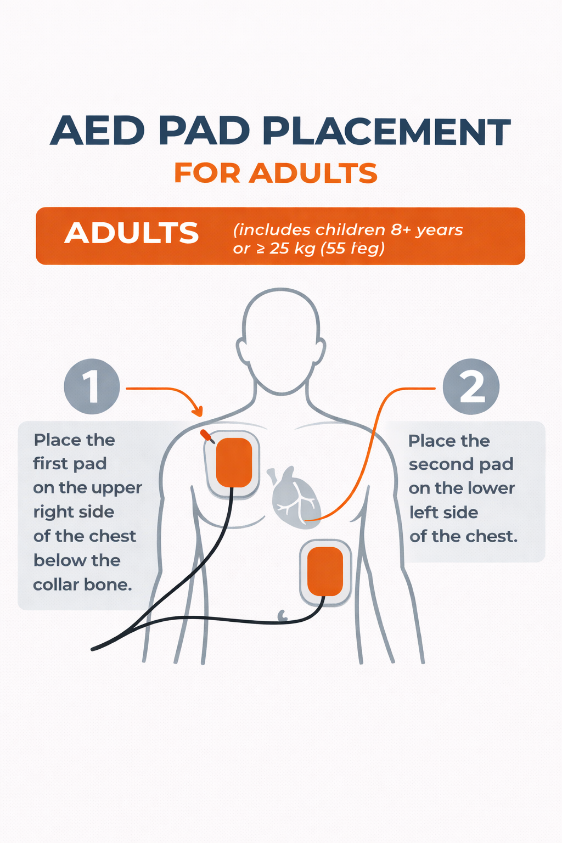
AED Pad Placement on the Chest
The optimal location for AED pads is shown on the outside of the pads themselves and may vary based on model. Usually:
- One pad is placed on the right front center of the chest, below the collarbone.
- The other pad is placed on the left chest, either below the heart or on the left side of the chest, 5-6 inches below the underarm area.
- For female victims, the left chest pad should not be placed on the breast, but rather beneath or to the left of the breast.
- Wires on the pads lead to a connector that is then plugged into the AED.
- For children 8 years old or younger, smaller pads should be used, if they are available. Pad placement can be different than for adults and is indicated on the pads. Also, if there is one, a child mode button should be activated on the AED. If, however, nothing else is available, adult pads and an adult AED can be used for a child. Pad placement in that case should be the front center of the chest and the center of the upper back, between the shoulder blades.
This 3-minute video incorporates hands-only CPR and AED use
What anyone at the Lab can do to help
- Take a few minutes to see how to perform Hands-Only CPR and use an AED.
- Know where AEDs are located in the LBNL buildings in which you work and visit. LBNL buildings with AEDs inside should have signage at entry points indicating where the AED is located.
- Post available slides in your department’s digital signage reminding everyone about hands-only CPR and AED use.
- Periodically incorporate available 1Minute4Safety slides showing hands-only CPR and AED use into your department or safety meetings.
- CPR/AED classes are currently offered on-site for those whose WPC puts them at increased risk of a problem (e.g., electricians).
- Classes for anyone else interested may be offered on-site at some point in the future, when resources allow it. In the meantime, consider taking a course through the American Heart Association, American Red Cross or other organization.
Helpful Resources
For official certification or more in-depth training, visit these leading organizations:
- American Heart Association (AHA) – The gold standard for CPR guidelines and “Hands-Only” training videos.
- American Red Cross – Find local classes and download the free “First Aid” mobile app.
- Sudden Cardiac Arrest Foundation – Resources for survivors and advocates.
- Citizen CPR Foundation – Organizers of National CPR/AED Awareness Week.

